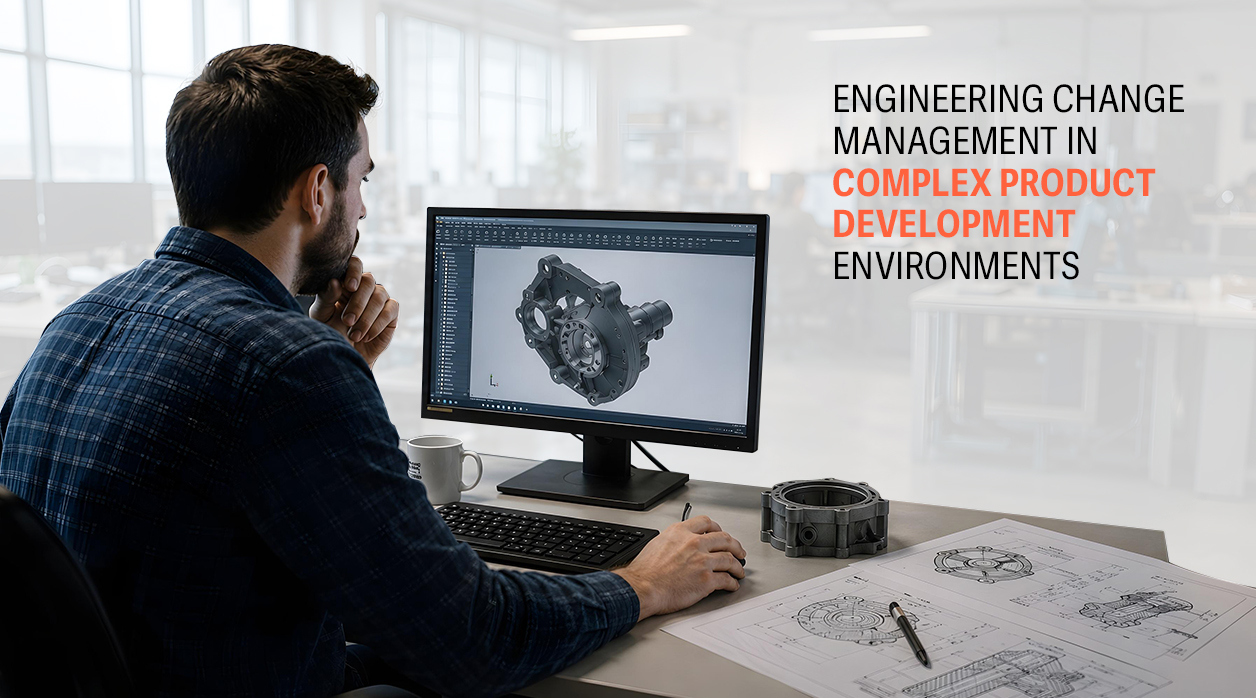
FEA-Driven Design Validation for Complex Engineering Systems
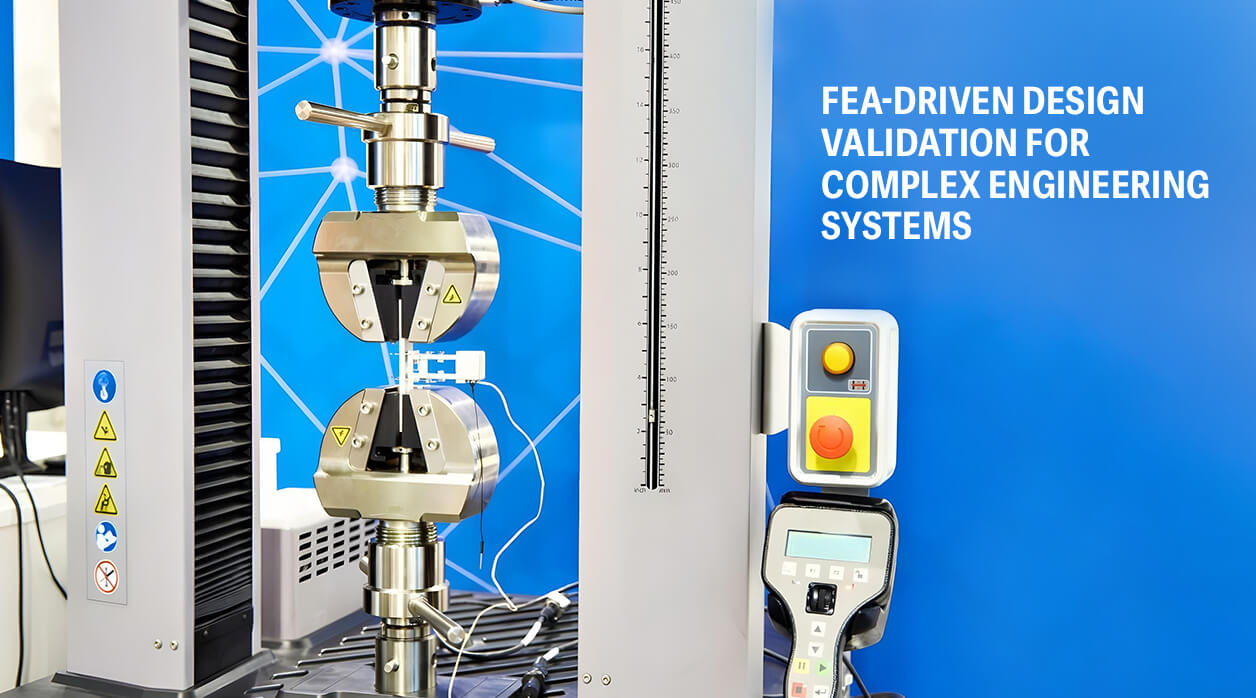
A stress analysis report showing a safety factor of 2.3 looks precise. That precision holds only as long as the load case in the model matches the load case the equipment actually sees in service. FEA output carries the same authority whether the boundary conditions were set correctly or not. The number does not know the difference. FEA works as a design decision here, not just a compliance formality. Mechanical engineering design services built around that distinction run the load cases that actually matter, not the ones simplest to model.
An FEA model is only as good as the boundary conditions and load cases fed into it. Model a fixed support where the real connection is pinned, and the stress distribution changes completely. Run a static load case where fatigue governs, and the result confirms that the part will not break once, not that it survives years of cyclic loading. None of that shows up in the final report as a caveat. They show up as a number, and engineers downstream trust that number without seeing the assumption behind it.
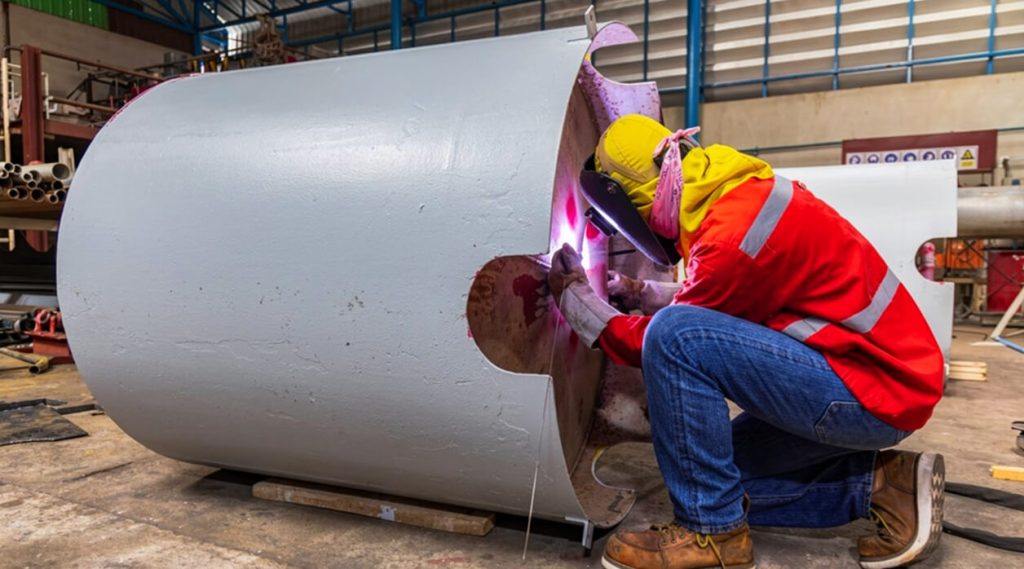
Where Mechanical Engineering Design Services Miss the Real Load Case
Analysis work at this level runs across more than one solver. Linear stress problems, fatigue and durability studies, pressure vessel code compliance and CFD each call for a different tool: Hypermesh for meshing, Abaqus or ANSYS for the structural solve, Fe-Safe or Femfat for fatigue life, Fluent or Star-CCM+ where flow matters as much as stress. Choosing the right tool for the load case is itself part of getting the analysis right, not a detail decided after the model is already built.
Four gaps turn up more often than any others.
- Boundary conditions that simplify a real connection into an idealised one, changing the stress distribution without changing the reported safety factor’s apparent confidence.
- Static analysis runs where a fatigue or cyclic load case actually governs, so a part passes a one-time stress check and fails in service after repeated loading.
- Mesh density coarse enough to hide a stress concentration at a fillet or a weld, so the reported peak stress reads lower than the actual peak stress.
- A load case built from a nameplate rating rather than the actual duty cycle, so the analysis validates a condition the equipment rarely operates under.
On a project converting a non-pressurised mixing barrel into a pressure vessel to PED standards, ANSYS 2020R1 modelled the vessel under both test pressure and working pressure, with maximum deformations of 0.16mm at test pressure and 0.08mm at working pressure, and Von Mises stresses confirmed within limits for both cases. A vessel that passes at working pressure alone says nothing about what happens during the test pressure it has to survive before it ever enters service, which is exactly why both cases were run.
The Cost of Trusting an FEA Number You Have Not Checked
A boundary condition error caught in a model review costs an afternoon of re-analysis. The same error caught after the part is in service costs a field failure, a warranty claim, and an investigation into why a part that passed FEA broke anyway. The number matched the assumptions it was given, and the assumptions were the problem.
Design schedules for complex engineering systems tend to budget FEA as a single checkpoint near the end of detailed design, not as an iterative check that revisits boundary conditions as the design matures. A load case revisited late, after tooling or procurement has already committed to a design, adds a re-analysis cycle nobody scheduled for.
Why a Mechanical Engineering Services Company Owns the Load Case, Not Just the Model
A mechanical engineering services company that only runs the analysis a client specifies has no way to catch a load case that was defined incorrectly to begin with. The value lies in owning the full chain: the design intent, the boundary conditions, the load case and the analysis itself, run by engineers who understand what the part actually has to survive, not just what number they were asked to produce.
On a simulation programme built for one of Germany’s Big Three automakers, a fifty-member team spanning Tooltech Deutschland and Tooltech India covered Finite Element modelling, full vehicle assembly and simulation, strength analysis including seat belt anchorage, crash analysis and structural performance studies, and pedestrian safety analysis, all run against US NCAP, Euro NCAP, FMVSS, AZT and IIHS regulatory standards. Ownership of that scope sat with a single team across the full simulation chain, from model to regulatory compliance.
For an R&D director evaluating an outsourced simulation partner, the relevant question is not whether the analysis software is current. The relevant question is whether the same team defining the load case also owns the analysis, or whether the load case arrives as a fixed input nobody on the analysis side is allowed to question.
An FEA report will keep confirming that a model converges, that a mesh is fine enough, that a safety factor clears the target. It was never built to confirm that the load case behind it matches what the equipment actually sees in the field. Checking that is a design decision, not a software setting. The earlier the load case is owned by the same team running the analysis, the fewer field failures show up on equipment that passed every check on paper.
FAQs
Why can a part fail in service after passing FEA validation?
FEA validates the model against the load case it was handed, not against what the part actually experiences in the field. Run the wrong load type, or simplify a connection the part does not really have, and the analysis still returns a valid number for a question nobody should have asked.
Do mechanical engineering design services include defining the load case, or just running the analysis?
Both, when the two are owned by the same team. A load case defined without input from the analysis team, or an analysis run against a load case nobody validated against real operating conditions, both produce a number that looks credible and may not be.
What should we look for in a mechanical engineering services company handling FEA validation?
Ownership matters more than software here. Look for a team that owns the load case alongside the model, rather than treating it as something fixed and simply handed down at the start of the project. Boundary conditions and load cases need checking against real operating conditions before analysis starts, not once a result already looks wrong.
Related Insights
Designing Infrastructure Assets for Long-Term Main...
Know More
Knowledge Retention Challenges in Distributed Engi...
Know More